Description
Brass Inserts – Complete Design Range
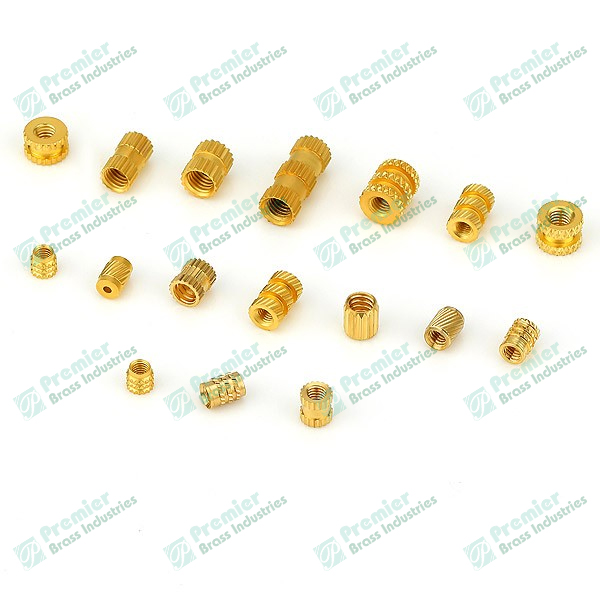
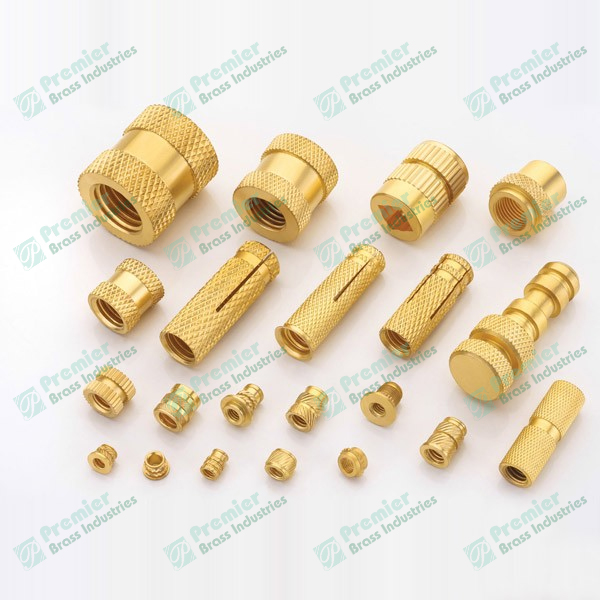
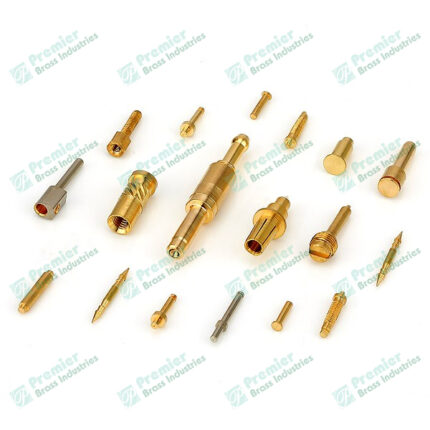
Our manufacturing program covers a full range of insert designs developed for different base materials, installation techniques, and mechanical load requirements used in international manufacturing.
Insert Design |
Key Feature |
Typical Application |
|---|---|---|
| Knurled Inserts | Diamond / straight knurling | Plastic & 3D printed parts |
| Heat-Set Inserts | Thermal installation | ABS, PLA, Nylon |
| Press-Fit Inserts | Interference fit | Injection molded components |
| Ultrasonic Inserts | Vibration-assisted insertion | High-volume molding |
| Mold-In Inserts | Inserted during molding | Structural plastic parts |
| Insert Nuts | Internal machine thread | Mechanical assemblies |
| Tee Inserts | T-shaped locking profile | Wood & furniture |
| Inserts for Plastic Tubing | Reinforced threading | Fluid & pipe fittings |
Knurling patterns are carefully selected to maximize torque resistance and pull-out strength. Depending on the base material, diamond, straight, or helical knurling is applied to prevent rotation and loosening under vibration.
Sizes, Threads & Dimensional Control
Our threaded insert fasteners are available in all commonly required metric sizes used in export markets.
| Size Range | Typical Use |
|---|---|
| M2 | Electronics & compact assemblies |
| M3 | Light to medium load parts |
| M4 | Industrial plastic components |
| M5 | General engineering applications |
| M6 | Structural fastening |
Custom dimensions, pilot hole recommendations, and thread tolerances are developed as per drawings or samples to ensure accurate fitment and consistent installation results.
Engineering Performance & Material Benefits
These Brass Inserts are engineered for repeatable fastening and long-term mechanical stability.
From an engineering standpoint, brass is preferred for insert manufacturing due to its excellent properties , mechanical behavior, machinability, stable thread geometry, and resistance to galling. Compared to aluminum or steel alternatives, brass maintains thread accuracy over repeated tightening cycles and reduces the risk of cracking in plastic or composite substrates.
In plastic injection molding and additive manufacturing, heat-set and ultrasonic insert designs significantly extend product lifespan by maintaining fastening integrity under temperature changes and mechanical stress. These characteristics make threaded insert systems suitable for electronics housings, automotive interior components, consumer appliances, and industrial enclosures.
Materials, Manufacturing & Quality Assurance
| Material | Standard Grades |
|---|---|
| Brass | CZ121, C360, CW614N, MS58 |
Manufacturing operations include CNC turning, drilling, knurling, threading, and automated inspection. Every production batch undergoes dimensional verification, thread gauging, and visual inspection to meet international quality expectations before export dispatch.
Industrial Applications
Our Brass Inserts are widely used in the following industries:
- Plastic injection molded products
- 3D printed production and prototype parts
- PPR & CPVC pipe fittings
- Wood, MDF, and modular furniture systems
- Electrical enclosures and housings
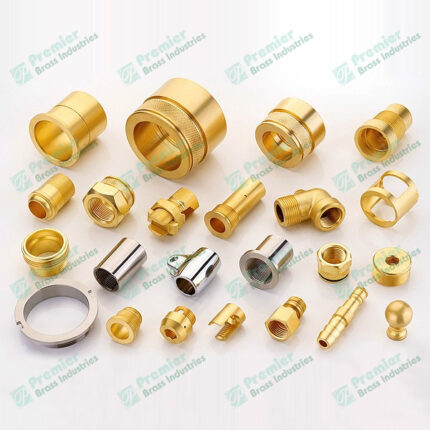
- Precision Brass Components
- Automotive interior plastic assemblies
- Consumer tools and industrial equipment
These applications rely on Brass Inserts for secure, repeatable, and vibration-resistant fastening.
Global Export Supply
We supply threaded insert solutions to customers in the United States, Vietnam, UAE, Germany, United Kingdom, Italy, Canada, and other international manufacturing hubs, supporting OEM production, contract manufacturing, and bulk industrial supply programs.
Frequently Asked Questions
1. What is the main purpose of threaded inserts?
They provide durable internal threads in soft materials such as plastic and wood.
2. Are these suitable for 3D printed parts?
Yes, heat-set designs are widely used in 3D printing.
3. Which metric sizes are available?
Standard sizes from M2 to M6 are available, with customization options.
4. Can inserts be used during injection molding?
Yes, mold-in and press-fit designs are commonly used.
5. Do you supply custom designs?
Yes, production is supported as per drawings or samples.
6. Do you export internationally?
Yes, supply is strictly focused on global export markets.