
Introduction
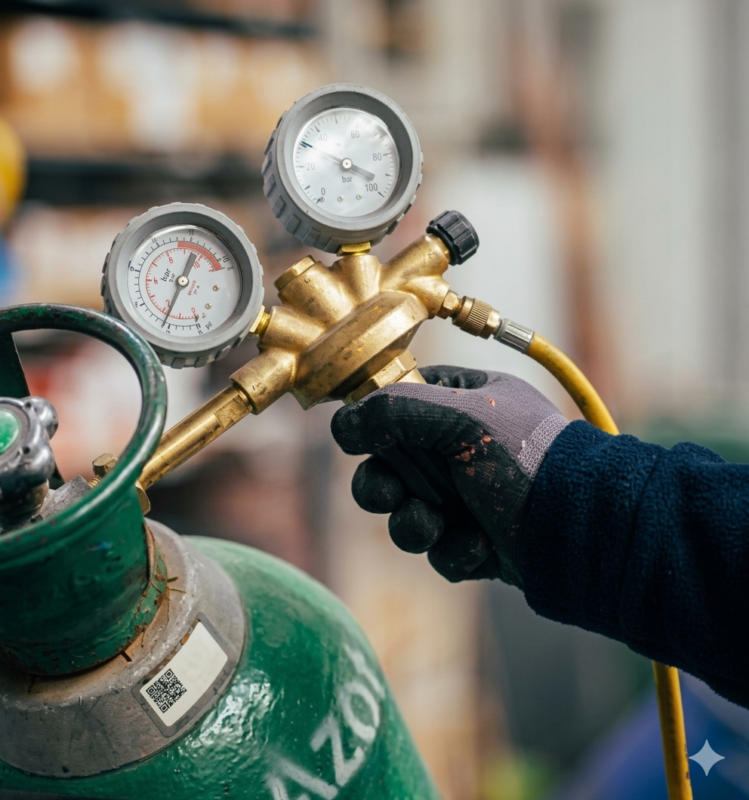
Brass gas fittings Netherlands are widely used in LPG and CNG systems due to their leak-proof performance and reliability. Whether used in LPG heating, CNG automotive systems, or industrial gas distribution, the choice of fitting material directly impacts performance and compliance.
Among the most widely used materials are brass and stainless steel. Each offers distinct mechanical and chemical properties, making them suitable for different operating conditions. For importers, OEMs, and distributors, understanding this difference is essential when selecting components for European markets.
As a brass components manufacturer, delivering consistent quality requires control over material composition, machining precision, and performance under real-world conditions.
These systems rely heavily on high-quality brass gas parts for safe and efficient gas flow.
Why Brass Gas Fittings Netherlands Are Widely Used
Gas infrastructure in the Netherlands operates under strict European regulations focused on:
- Leak-proof sealing performance
- Pressure resistance
- Corrosion protection
- Long service life
These systems often operate under varying environmental conditions, making material selection a key engineering decision aligned with gas system safety standards.
Overview of Brass Gas Fittings
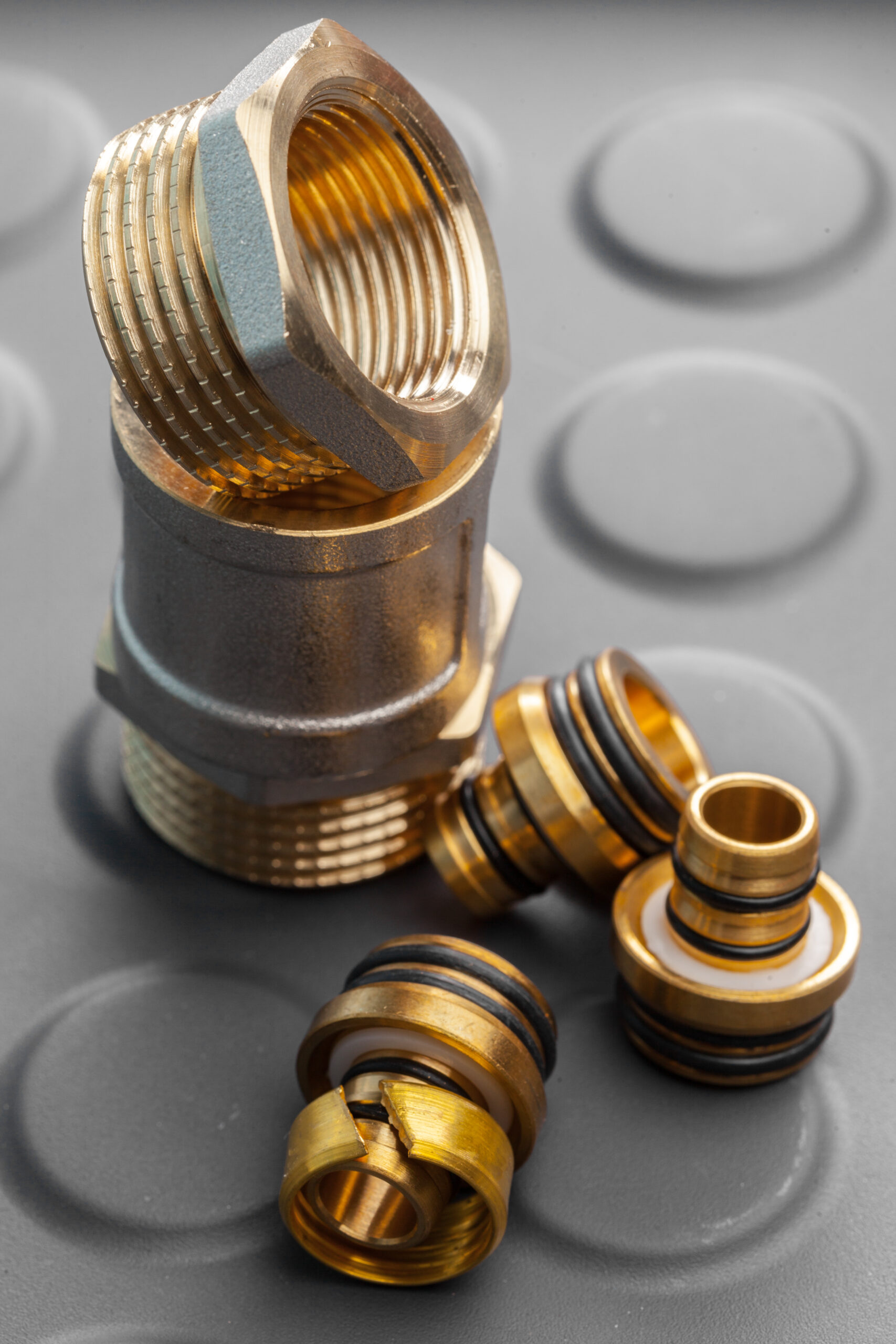
Brass gas fittings are widely used across Europe due to their balance of machinability, corrosion resistance, and sealing capability.
High-quality precision brass components are manufactured with tight tolerances to ensure consistent performance in threaded and compression-based gas systems.
Engineering Properties of Brass
- Excellent corrosion resistance in gas environments
- High machinability for precise threading
- Good thermal conductivity
- Reliable sealing due to softer metal structure
- Cost-effective for large-scale production
A deeper understanding of the properties of brass helps in evaluating its suitability for gas system applications.
Overview of Stainless Steel Gas Fittings
Stainless steel fittings are typically selected for environments where higher mechanical strength and resistance to aggressive chemicals are required.
Engineering Properties of Stainless Steel
- High tensile strength
- Superior resistance to harsh environments
- Better performance at extreme temperatures
- Longer life in corrosive conditions
Detailed Technical Comparison
1. Corrosion Resistance
- Brass performs well in LPG, CNG, and standard industrial gas systems
- Stainless steel is preferred in highly corrosive or marine environments
👉 For most gas systems in the Netherlands, brass offers sufficient corrosion protection.
2. Machinability & Dimensional Accuracy
- Brass allows easier machining and tighter tolerances
- Stainless steel is harder to machine, increasing cost
This makes CNC machined brass parts more efficient for precision-driven applications.
3. Sealing Performance
- Brass provides superior sealing due to its softer structure
- Stainless steel often requires additional sealing elements
Leak-proof performance is one of the main reasons why brass gas parts are widely used in LPG, CNG, and industrial gas systems.
4. Cost Efficiency
- Brass is more economical for bulk manufacturing
- Stainless steel involves higher material and machining costs
5. Strength & Durability
- Brass is suitable for most standard applications
- Stainless steel performs better under extreme mechanical loads
6. Thermal Conductivity
- Brass dissipates heat more effectively
- Stainless steel retains heat longer
Applications in the Netherlands & European Markets
Where Brass Gas Fittings Are Preferred
- LPG heating systems
- Gas appliances and burners
- Industrial gas pipelines
- Automotive CNG systems
- Commercial installations
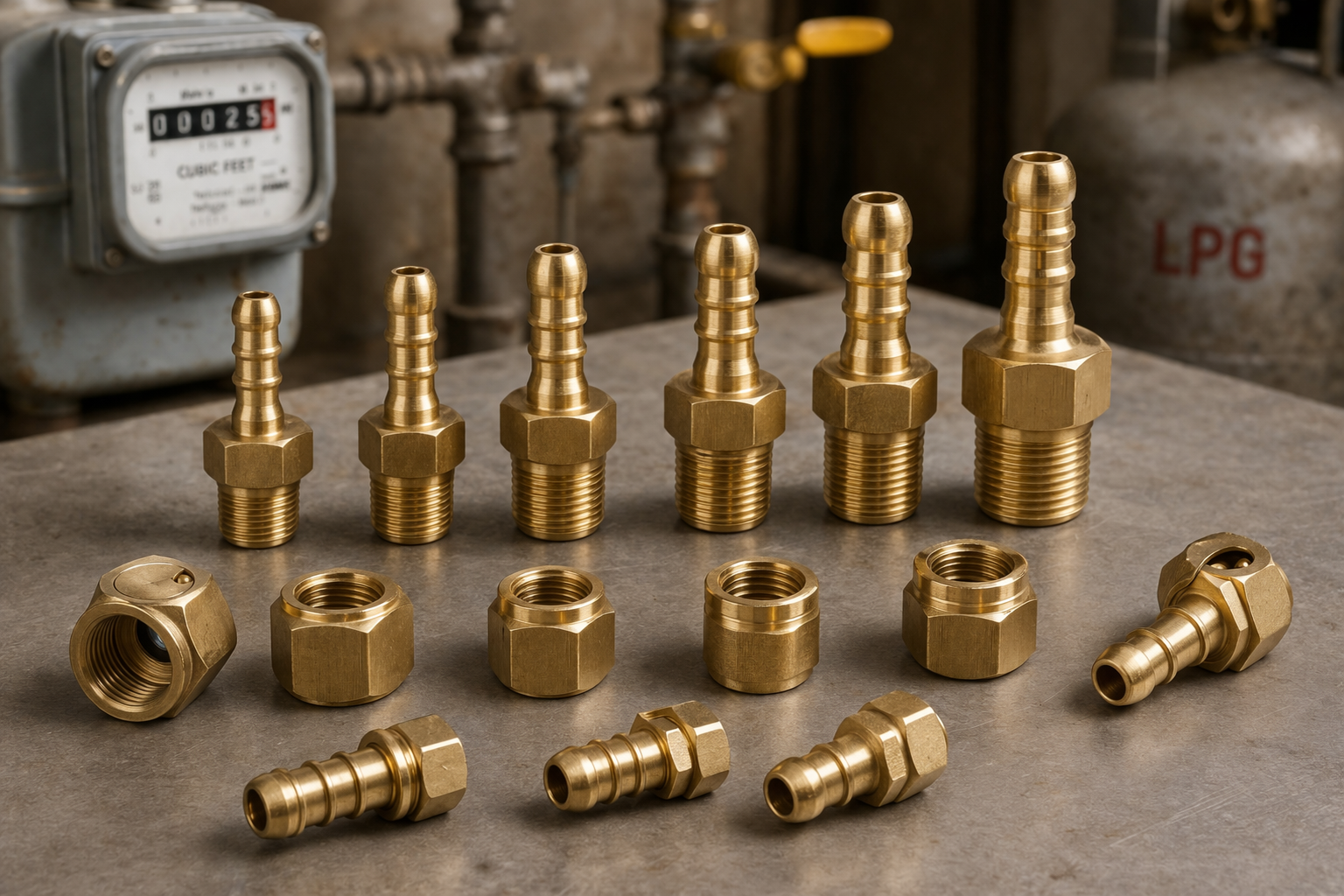
These applications commonly utilize forged brass components and precision fittings for reliable performance.
furthermore, in many applications, brass gas parts such as fittings, valves, and connectors are used to ensure durability and leak-proof performance.
Where Stainless Steel Is Preferred
- Chemical processing industries
- Offshore and marine environments
- High-temperature systems
These applications heavily rely on brass gas fittings in Netherlands for long-term performance and safety.
Compliance & European Standards
Gas components used in the Netherlands must meet strict European compliance requirements. Manufacturers exporting to these markets ensure adherence to ISO quality standards and international safety guidelines.
How to Choose the Right Material
Choose Brass If You Need:
- Leak-proof sealing performance
- Cost-effective bulk production
- High precision machining
- Standard LPG/CNG system compatibility
Choose Stainless Steel If You Need:
- Extreme strength
- Chemical resistance
- Harsh environment durability
Why European Buyers Prefer Brass Gas Fittings
Across the Netherlands and broader European markets, brass continues to be the preferred material due to:
- Reliable sealing capability
- Ease of machining and customization
- Cost efficiency
- Compatibility with gas systems
Manufacturers supplying globally produce high-quality precision brass components to meet these expectations.
Explore Brass Gas Parts for Industrial Applications
For importers and OEM buyers looking for consistent quality and global supply capability, selecting the right manufacturing partner is essential.
Explore a complete range of brass gas parts engineered for LPG, CNG, and industrial gas systems, designed to meet international safety and performance standards.
Learn More About Brass Gas Parts
For a deeper understanding of material properties, types, engineering design, and industrial applications, read our detailed guide on brass gas parts, covering everything from technical specifications to real-world usage.
Conclusion
Both brass and stainless steel fittings offer distinct advantages, but for most LPG, CNG, and industrial gas applications in the Netherlands, brass remains the preferred choice due to its sealing performance, machinability, and cost efficiency.
Selecting the right material ultimately depends on application conditions, performance requirements, and long-term operational needs.
For reliable sourcing, brass gas fittings Netherlands remain the preferred choice for global buyers and distributors.
FAQs About Brass Gas Fittings Netherlands
Q1. What are brass gas fittings Netherlands used for?
Brass gas fittings Netherlands are used in LPG, CNG, and industrial gas systems for safe and leak-proof connections.
Q2. Why are brass gas fittings Netherlands preferred over steel?
Brass gas fittings Netherlands are preferred due to better sealing, corrosion resistance, and cost efficiency.
Q3. Are brass gas fittings Netherlands suitable for high pressure?
Yes, brass gas fittings Netherlands are designed to handle medium to high-pressure gas systems.