
Introduction
Brass gas parts are critical components used in gas handling systems where safety, sealing integrity, and long-term performance are essential. These components are widely used in LPG, CNG, propane, and industrial gas systems due to their excellent machinability, corrosion resistance, and ability to maintain dimensional stability under varying pressure and temperature conditions.
As a brass components manufacturer, producing high-precision gas fittings requires a deep understanding of material behavior, machining accuracy, and functional performance under real-world operating environments.
What Are Brass Gas Parts?
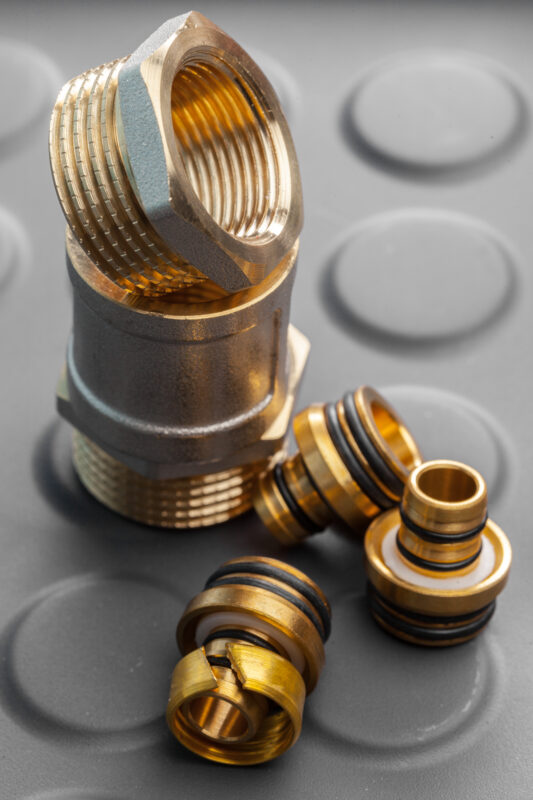
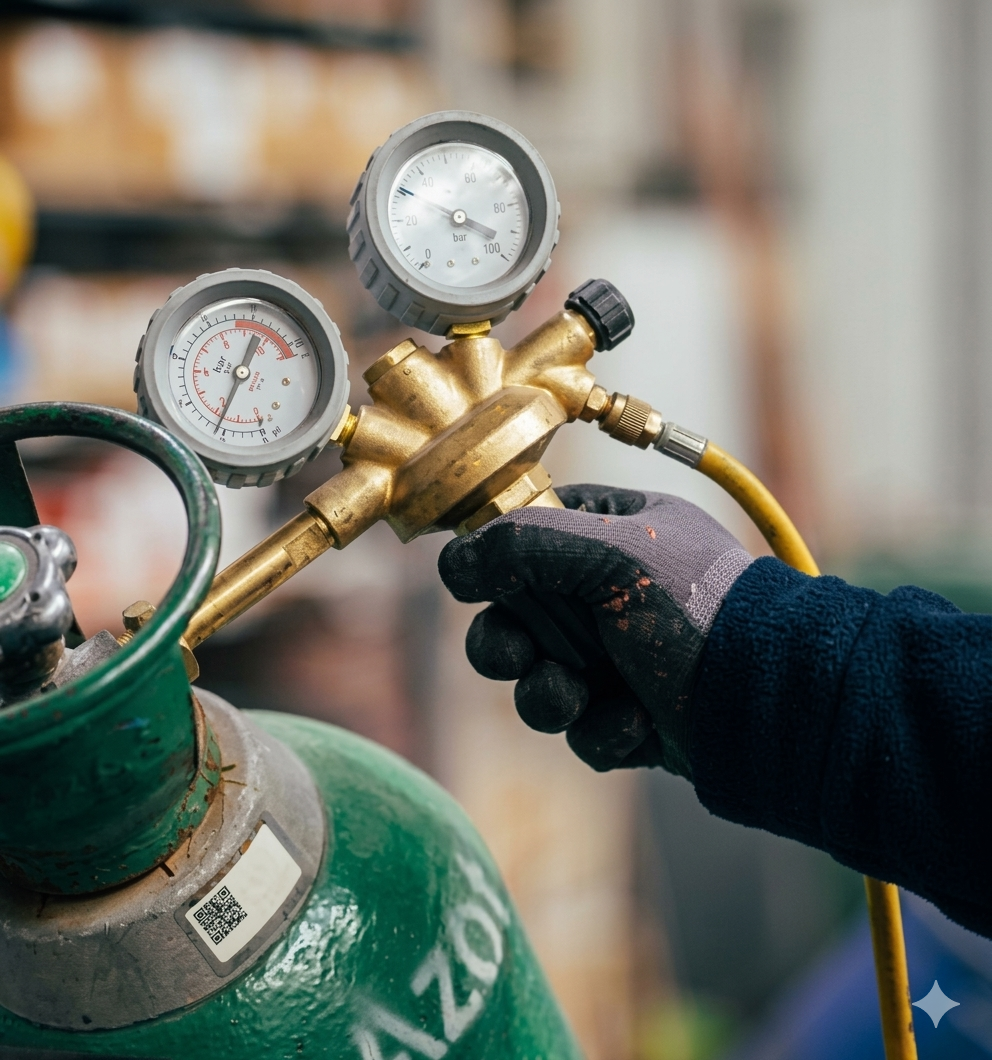
Brass gas parts are precision-engineered components designed to control, connect, and regulate the flow of gases in sealed systems. These include fittings, valves, connectors, adaptors, and custom-machined components used in gas distribution and fuel systems.
They are manufactured using controlled processes such as CNC turning, milling, threading, and forging to achieve tight tolerances and reliable sealing performance.
Typical applications include:
- LPG and CNG fuel systems
- Industrial gas pipelines
- Gas-powered appliances
- Automotive fuel delivery systems
- Commercial gas installations
These components must comply with gas system safety standards to ensure operational reliability and user safety.
Material Science of Brass in Gas Applications
Brass is a copper-zinc alloy with controlled composition, typically ranging between 55%–65% copper and 35%–45% zinc. The addition of small elements such as lead (for machinability) or silicon (for strength) further enhances its properties.
Metallurgical Properties
- Corrosion Resistance: Brass forms a protective oxide layer that prevents degradation in humid and chemically active environments.
- Machinability: Free-cutting brass grades like CZ121 allow high-speed machining with minimal tool wear.
- Thermal Conductivity: Ensures efficient heat dissipation in gas systems.
- Ductility: Allows deformation without cracking, important for threaded and compression fittings.
- Strength-to-Weight Ratio: Suitable for both lightweight and high-pressure applications.
Understanding the properties of brass is essential when designing components that must withstand mechanical stress and environmental exposure.
Mechanical & Functional Engineering Parameters
For brass gas parts to perform reliably, several engineering parameters must be controlled:
1. Pressure Handling Capacity
Gas fittings must withstand internal pressures ranging from low-pressure domestic systems (~0.5 bar) to high-pressure industrial systems (>20 bar).
2. Temperature Resistance
Operating temperatures can vary from sub-zero conditions to elevated thermal environments (~120°C), requiring material stability.
3. Thread Accuracy & Tolerances
Thread standards such as BSP, BSPT, NPT, and metric threads must be machined with high precision to ensure leak-proof connections.
4. Surface Finish & Roughness
Surface finish directly affects sealing performance. Smooth finishes reduce leakage paths and improve joint integrity.
5. Leak-Proof Sealing Performance
Achieved through:
- Proper thread engagement
- Compression sealing
- Controlled tolerances
6. Corrosion & Chemical Resistance
Gas systems often involve exposure to hydrocarbons, moisture, and environmental contaminants.
Manufacturing Processes of Brass Gas Parts
High-quality brass gas components are produced using advanced machining and forming techniques.
CNC Machining
Modern CNC machined brass parts ensure dimensional accuracy and repeatability in high-volume production.
Forging Process
Forged brass components offer improved grain structure and mechanical strength, especially for high-pressure applications.
Precision Turning
Used for creating threads, grooves, and sealing surfaces with tight tolerances.
Secondary Operations
- Drilling
- Threading
- Knurling
- Surface finishing
These processes are essential in producing precision brass components that meet international quality standards.
Types of Brass Gas Parts
A complete gas system includes multiple component categories:
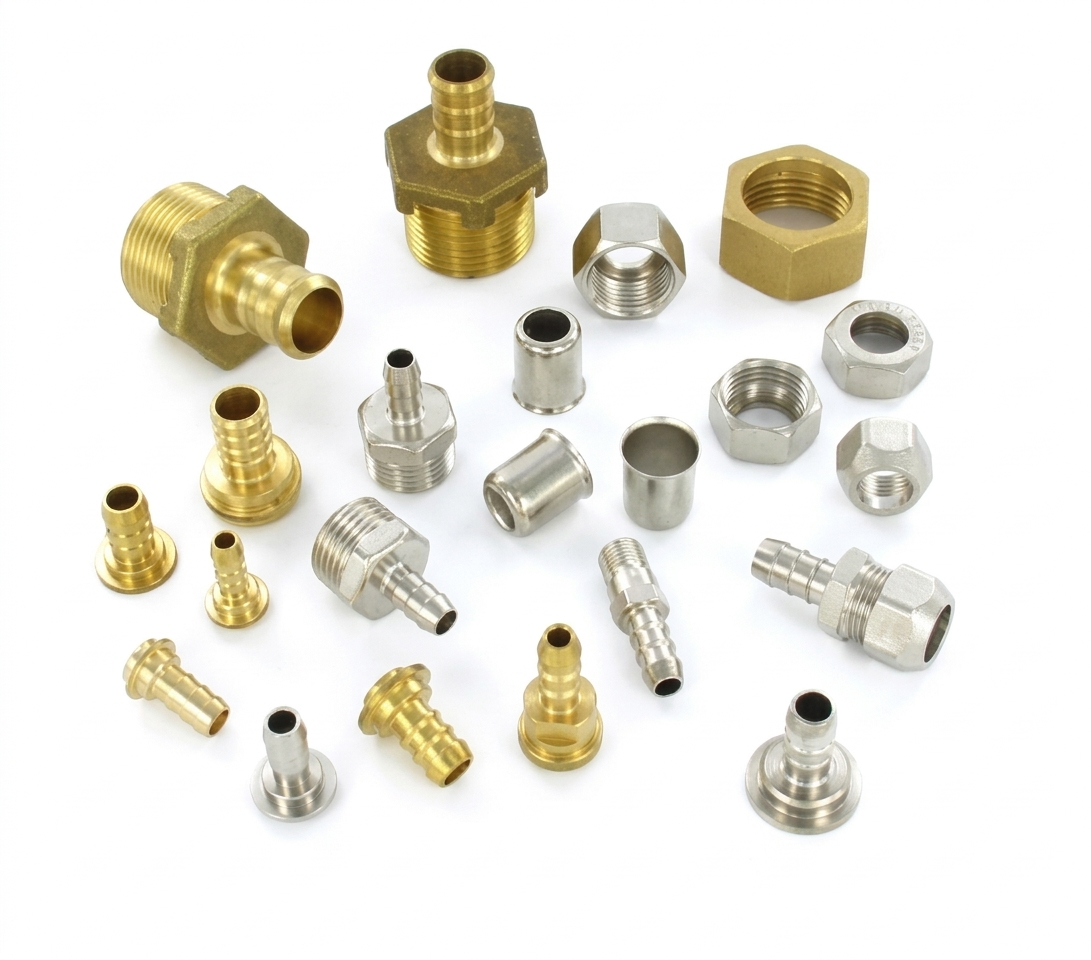
Brass Gas Fittings
Used for connecting pipelines and ensuring secure gas flow.
Compression Fittings
Provide leak-proof sealing without welding.
Gas Valves
Control and regulate gas flow in systems.
Adaptors & Connectors
Allow compatibility between different pipe sizes and configurations.
Nozzles & Jet Components
Used in burners for controlled gas output.
Custom Machined Components
Developed based on OEM drawings and technical specifications.
These components are widely used alongside brass automobile parts in automotive fuel systems.
Applications Across Industries
Automotive Sector
Used in CNG kits, fuel lines, and injection systems.
Residential Systems
Gas stoves, LPG cylinders, and heating appliances.
Industrial Applications
Gas pipelines, pressure systems, and control systems.
Commercial Kitchens
Burners and cooking equipment.
Agricultural Systems
LPG-powered machinery and rural gas supply networks.
Why Brass Is Preferred for Gas Systems
Brass remains the most preferred material for gas applications due to:
- Excellent corrosion resistance
- High machinability
- Strong sealing capability
- Long service life
- Cost-effectiveness
Its performance aligns with global ISO quality standards and industrial requirements.
Global Demand & Export Considerations
The demand for brass gas parts is increasing across:
- USA
- United Kingdom
- Germany
- Middle East
- Africa
Manufacturers exporting to these markets must ensure:
- Compliance with international safety norms
- Consistent quality control
- Export-grade packaging
- Reliable production capacity
How to Choose the Right Brass Gas Parts Manufacturer
When sourcing globally, consider:
- Experience as a brass components manufacturer
- Capability in producing CNC machined brass parts
- Availability of precision brass components
- Expertise in forged brass components
- Compliance with international standards
Explore Brass Gas Parts for Industrial Applications
If you are sourcing reliable components for gas systems, working with an experienced manufacturer ensures consistent quality and performance.
You can explore a complete range of brass gas parts designed for LPG, CNG, and industrial gas applications.
Conclusion
Brass gas parts are fundamental to modern gas systems, offering durability, safety, and high-performance sealing capabilities. Their widespread use across industries highlights their importance in global infrastructure.
With increasing demand for efficient and safe gas systems, the role of precision-engineered brass components continues to grow in international markets.