

Introduction
In Europe, the demand for radiator keys—especially brass radiator keys and stainless steel radiator keys—has grown remarkably over the last decade. From the UK and Germany to Italy and France, every home that uses a central heating system relies on this small yet essential tool. A radiator key may look simple, but it’s a crucial component for maintaining efficiency, comfort, and safety in your heating system.
Whether you call it a radiator bleed key, radiator valve key, or clock type radiator key, the purpose remains the same: to release trapped air and ensure smooth water circulation in radiators. In this guide, we’ll explore the different types, materials, and uses of radiator keys commonly preferred in the European market — with a special focus on brass and stainless steel variants.
Why Brass and Stainless Steel?
When it comes to radiator keys, material matters. Brass radiator keys are known for their corrosion resistance, strength, and long service life — making them the preferred choice for both modern and old-style radiators. Meanwhile, stainless steel radiator keys (often called SS radiator keys) are valued for their toughness, sleek look, and non-reactive properties in humid or high-moisture environments.
Let’s break down why these two metals dominate the European radiator key market:
- Brass Radiator Keys: Excellent machinability, non-rusting surface, and traditional aesthetic fit for classic radiators.
- SS Radiator Keys: High tensile strength, durable under torque pressure, and suitable for contemporary radiator designs.
Types of Radiator Keys
The European heating system industry uses a wide variety of radiator key designs to suit different valve types and usage environments. Some of the most common and export-demanded types include:
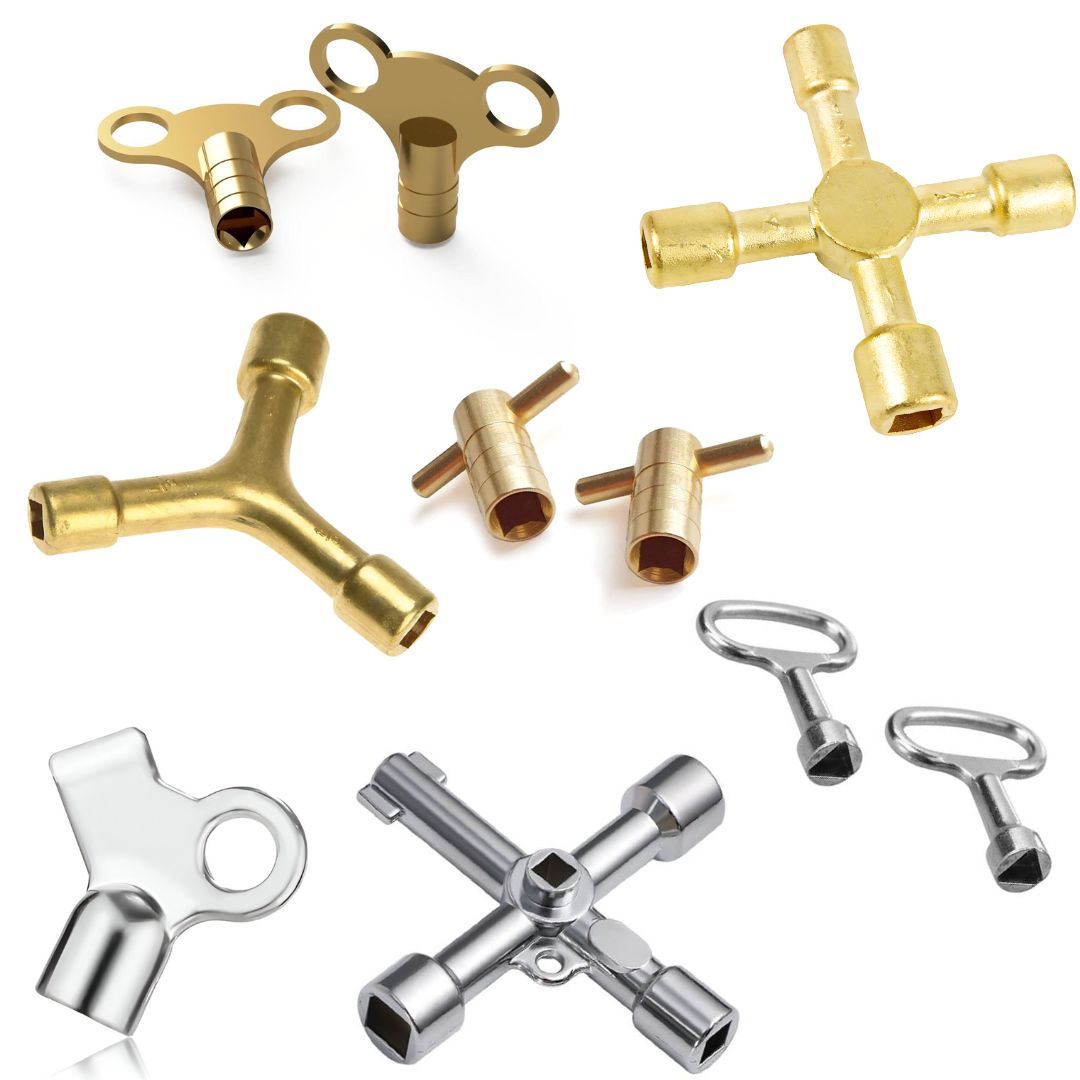
Premier Brass Industries brings you a versatile range of radiator keys- manufactured in brass and stainless steel for durability, strength, and seamless usability
- Generic Brass Radiator Key – The standard tool for bleeding air from radiator vents. Fits most radiator types.
- 3-Legged Brass Key – A multi-functional key for radiators and utility applications. Popular in German and UK markets.
- Brass T-Bar Radiator Key – Provides extra grip and torque, ideal for older or stuck valves.
- Brass Clock Type Radiator Key – A decorative yet practical design, often used in period homes across the UK and Italy.
- Brass Multipurpose Radiator Key – Designed for compatibility with various radiator bleed valves and fittings.
- SS Radiator Key Spanner – Used for both radiator and plumbing tasks, made for long-term industrial use.
- SS Radiator Bleed Key Handle – Comfortable grip with stainless durability, commonly used in large heating networks.
- SS Multipurpose Key – Versatile key that fits radiator, gas, and control panels, widely used by maintenance professionals.
- SS Triangular Slot Key – Typically used in European public heating installations and utility systems.
Each of these types offers a specific advantage, depending on the radiator valve type, torque requirement, and working environment.
Understanding How a Radiator Key Works
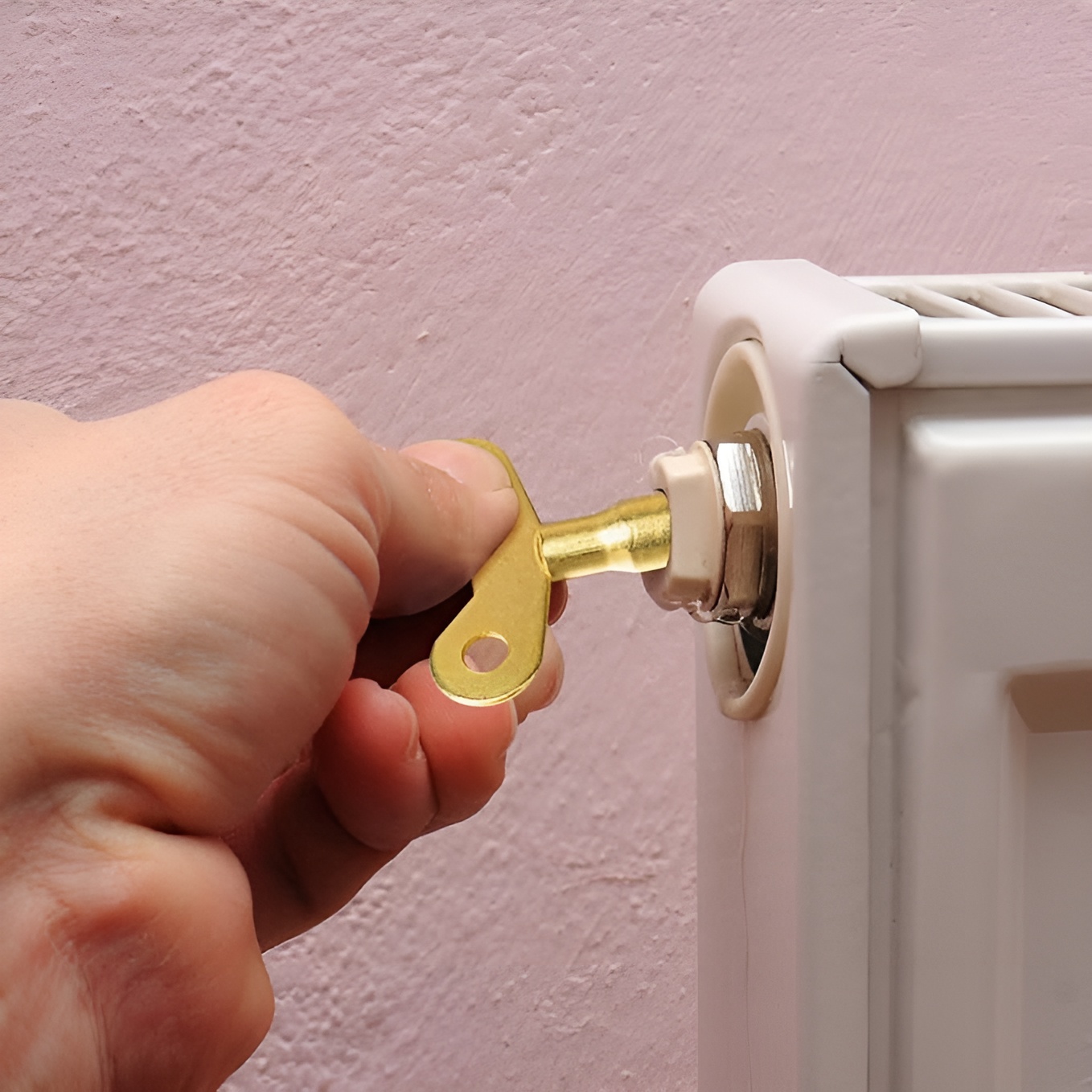
If you’re wondering what is a radiator key or how to use a radiator key, the process is straightforward. The key fits into the small square or slotted bleed valve on the side of your radiator. By gently turning it counterclockwise, trapped air escapes — restoring full heat efficiency.
For brass radiator bleed keys, the precise fit ensures a tight seal without damaging the valve, while SS radiator keys can handle higher torque if the valve is stiff or corroded.
If you’ve misplaced yours and are thinking what to use as a radiator key, the answer is simple — always use the proper tool. Improvised tools can damage your radiator valve threads, leading to costly repairs.
Choosing the Right Radiator Key for European Homes
European radiators vary by country and brand. For instance:
- UK homeowners often prefer brass radiator keys for their reliability and aesthetic appeal.
- German technicians favor stainless steel radiator key spanners for industrial heating systems.
- Italian and French users lean toward clock-type radiator keys for vintage-style interiors.
If you own old radiators, you might need a radiator key for old radiators — usually a thicker, heavy-duty key, often made of solid brass.
Tips: How to Tell If a Radiator Key Is Brass
Genuine brass radiator keys have a distinct yellow-gold color, moderate weight, and corrosion resistance. If a magnet doesn’t stick, it’s likely brass. Stainless steel keys, by contrast, have a silver-gray tone and are slightly heavier.
Where to Buy a Radiator Key
You can find radiator keys in most European hardware stores and online marketplaces. But for bulk or trade requirements, choosing a radiator key exporter ensures consistent quality and customization options.
For premium export-quality brass radiator keys and SS radiator keys, explore the product range at: 👉 Premier Brass Industries — Radiator Key Collection
For custom quotes or distributor inquiries, reach out via: 👉 Contact Page
And stay updated with industry trends on: 👉 Premier Brass Industries LinkedIn Page
Conclusion
In a market as vast and diverse as Europe’s, radiator keys remain an essential part of everyday comfort. From the traditional brass radiator bleed key to modern stainless steel radiator spanners, these tools represent precision, safety, and quality craftsmanship.
Whether you’re maintaining a historic radiator in London, a modern heating system in Berlin, or an apartment in Milan — choosing the right key makes all the difference. Durable materials like brass and stainless steel ensure long-term performance, and sourcing from trusted exporters guarantees you get value beyond the product.
For high-quality, export-grade radiator keys made from Brass and Stainless Steel, visit 👉 Premier Brass Industries — your trusted source for precision heating accessories.